Featured
See This Report on Economic Uncertainty Impacting Growing...
How to Connect With Cultural Dimensions of Money: Tailori...
5 Simple Techniques For Methods Kickstart Your Credit Goa...
The 8-Minute Rule for Frequent False Beliefs Regarding Ho...

Some Known Questions About How to Connect With Credit Counseling vs. Bankruptcy: Which Path Is Right for Me? Experts Now.
Table of Contents
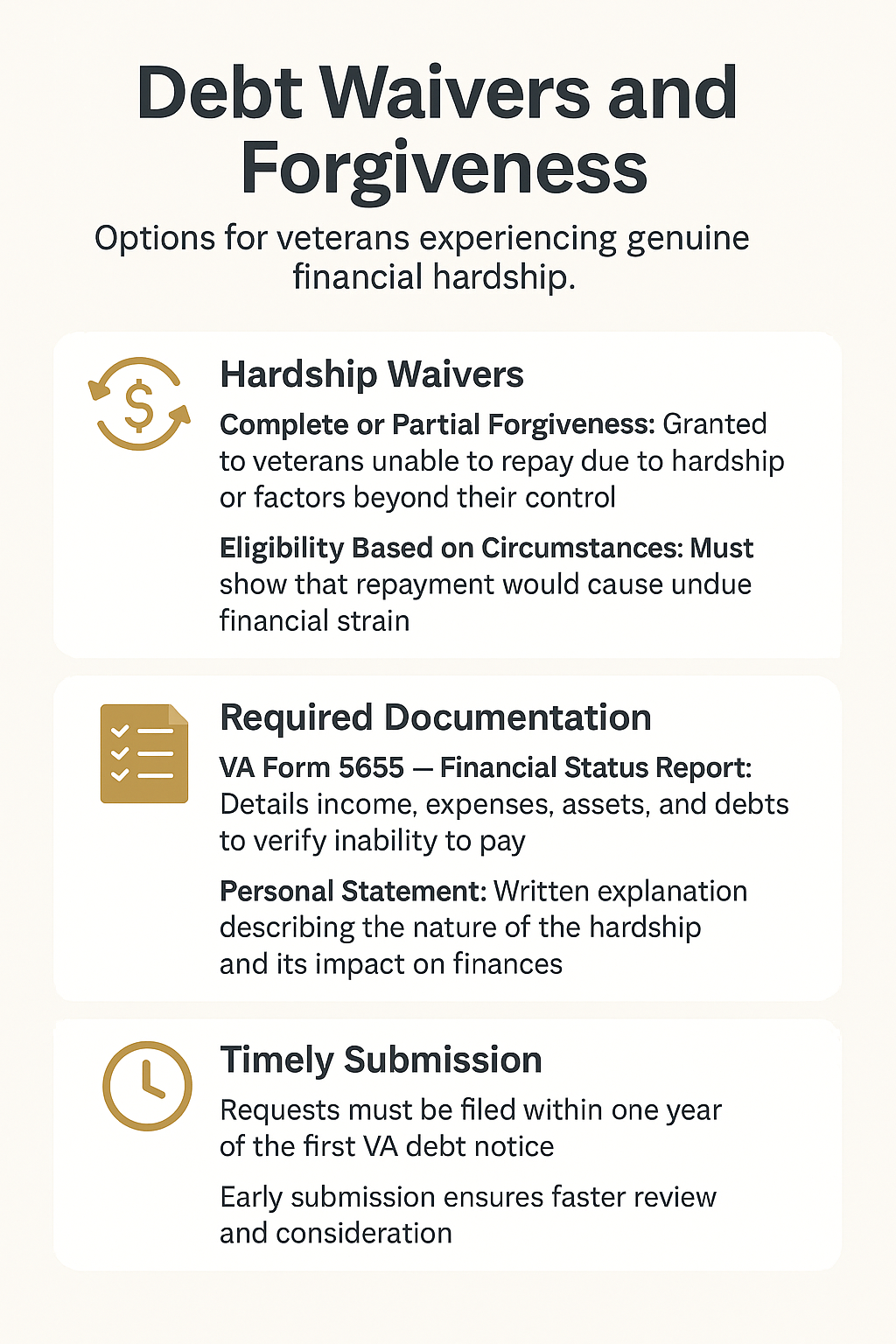
That liberates cash in the short-term, and you may have 3 to 4 years to conserve towards the settlement amount. Really hazardous to credit history, mostly due to missed payments and an adverse "cleared up" mark that can remain on your credit scores record for up to seven yearsMay be just choice if various other choices (financial debt combination, equilibrium transfer charge card, financial obligation forgiveness) aren't possibleTypically needs a charge to the 3rd party, which could offset some or all of the savings from financial obligation settlementMay help you stay clear of insolvency if you've missed out on several paymentsNot all creditors deal with debt negotiation firms Financial obligation forgiveness might be best for you if you are experiencing a financial challenge that makes it nearly impossible to pay down your financial debt balances.
With a DMP, you make one regular monthly settlement to the credit history counseling agency. Those funds are then distributed to lenders of your unprotected debts, such as bank card and installment lendings. The agency collaborates with your financial institutions to decrease rate of interest or waive costs, yet some creditors might decline such giving ins.
A financial obligation consolidation finance combines your eligible financial obligations into one brand-new financing. It can aid you pay for financial debt if you're able to secure a financing rate that's reduced than the ordinary price of the accounts you're consolidating. However, you need to avoid from racking up financial debt on those recently removed accounts or your debt could expand also higher.
These cards frequently offer a 0% rate of interest introductory period of as much as 21 months. That provides you lots of time to get rid of or substantially reduce your balance while making interest-free repayments. For some people facing impossible debt, personal bankruptcy may be the only means to stop collection procedures and legitimately solve their debts.
How The Benefits to Consider of Credit Counseling vs. Bankruptcy: Which Path Is Right for Me? can Save You Time, Stress, and Money.
You might need it if your financial institution or a collection agency ever before tries to gather on the debt in the future. When a lending institution forgives $600 or more, they are called for to send you Type 1099-C.
Financial obligation mercy or negotiation practically constantly injures your credit score. Anytime you clear up a financial obligation for less than you owe, it might show up as "resolved" on your credit report and affect your credit rating for 7 years from the date of settlement. Your credit score can also go down significantly in the months bring about the mercy if you fall behind on repayments.
Our Regulatory Aspects Concerning Credit Counseling vs. Bankruptcy: Which Path Is Right for Me? Statements
Tax financial obligation compromise programs Tax obligation financial obligation happens when the amount of taxes you owe surpasses what you have paid. This scenario typically arises from underreporting revenue, not filing returns on time, or disparities found during an internal revenue service audit. The repercussions of accumulating tax obligation debt are significant and can include tax obligation liens, which offer the internal revenue service a lawful insurance claim to your residential or commercial property as security for the debt.
Higher rate of interest on offered credit scores. Incomes and Bank Accounts IRS can levy (take) earnings and checking account to satisfy the financial debt. Decreased earnings and disruption of vital financial processes. Home Seizure In severe instances, the internal revenue service can seize and market property to cover the financial obligation. Loss of valuable properties and prospective variation.
Social Stigma Facing lawful action from the Internal revenue service can bring social preconception. Employment Opportunities A bad credit report score due to exhaust debt can restrict employment chances. Government Advantages Tax obligation financial obligation may influence eligibility for government advantages, such as Social Safety and Medicaid.
Getting My Categories of Credit Counseling vs. Bankruptcy: Which Path Is Right for Me? You Should Know About To Work
The OIC takes into consideration numerous factors, consisting of the taxpayer's revenue, expenses, asset equity, and capacity to pay. Effectively bargaining an OIC can be intricate, needing a complete understanding of the IRS's standards and a strong debate for why your offer straightens with your capability to pay. It is necessary to note that not all applications are approved, and the procedure calls for thorough financial disclosure.
The IRS evaluates your total economic scenario, including your earnings, costs, asset equity, and capacity to pay. You must also be current with all filing and payment demands and not remain in an open personal bankruptcy case. The internal revenue service likewise considers your conformity history, reviewing whether you have a record of timely filing and paying taxes in previous years.
7 Easy Facts About What to Pay for Certified Counseling Help Shown
The application procedure for a Deal in Concession entails a number of in-depth actions. Initially, you have to complete and send internal revenue service Kind 656, the Offer in Concession application, and Form 433-A (OIC), a collection information statement for people. These kinds need extensive monetary info, consisting of information concerning your earnings, debts, expenditures, and assets.
Back taxes, which are unpaid taxes from previous years, can significantly boost your total IRS debt otherwise resolved without delay. This debt can accumulate rate of interest and late settlement charges, making the original amount owed a lot bigger in time. Failure to pay back taxes can lead to the internal revenue service taking enforcement activities, such as providing a tax lien or levy versus your property.
It is essential to address back taxes asap, either by paying the sum total owed or by arranging a repayment plan with the internal revenue service. By taking proactive steps, you can avoid the build-up of extra passion and fines, and stop more hostile collection actions by the IRS.
One usual factor is the idea that the taxpayer can pay the sum total either as a swelling sum or with a layaway plan. The internal revenue service also thinks about the taxpayer's earnings, expenditures, possession equity, and future earning possibility. If these elements suggest that the taxpayer can manage to pay even more than the supplied quantity, the internal revenue service is likely to decline the offer.
The 20-Second Trick For How to Reach a Counselor with Your Financial Recovery Process
Dealing with IRS debt can be intricate and difficult. Tax professionals, such as CPAs, tax obligation lawyers, or registered agents, can give invaluable support.

Table of Contents
Latest Posts

See This Report on Economic Uncertainty Impacting Growing Need for Women in the Armed Forces: Courage Beyond Limits

How to Connect With Cultural Dimensions of Money: Tailoring Counseling for Diverse Financial Beliefs Experts Now - Questions

5 Simple Techniques For Methods Kickstart Your Credit Goals & Understand Your Credit Score: APFSC Ensures Industry Standards
More
Latest Posts
See This Report on Economic Uncertainty Impacting Growing Need for Women in the Armed Forces: Courage Beyond Limits
How to Connect With Cultural Dimensions of Money: Tailoring Counseling for Diverse Financial Beliefs Experts Now - Questions
5 Simple Techniques For Methods Kickstart Your Credit Goals & Understand Your Credit Score: APFSC Ensures Industry Standards